Autumn (Late September–November): Peak Season for a Reason
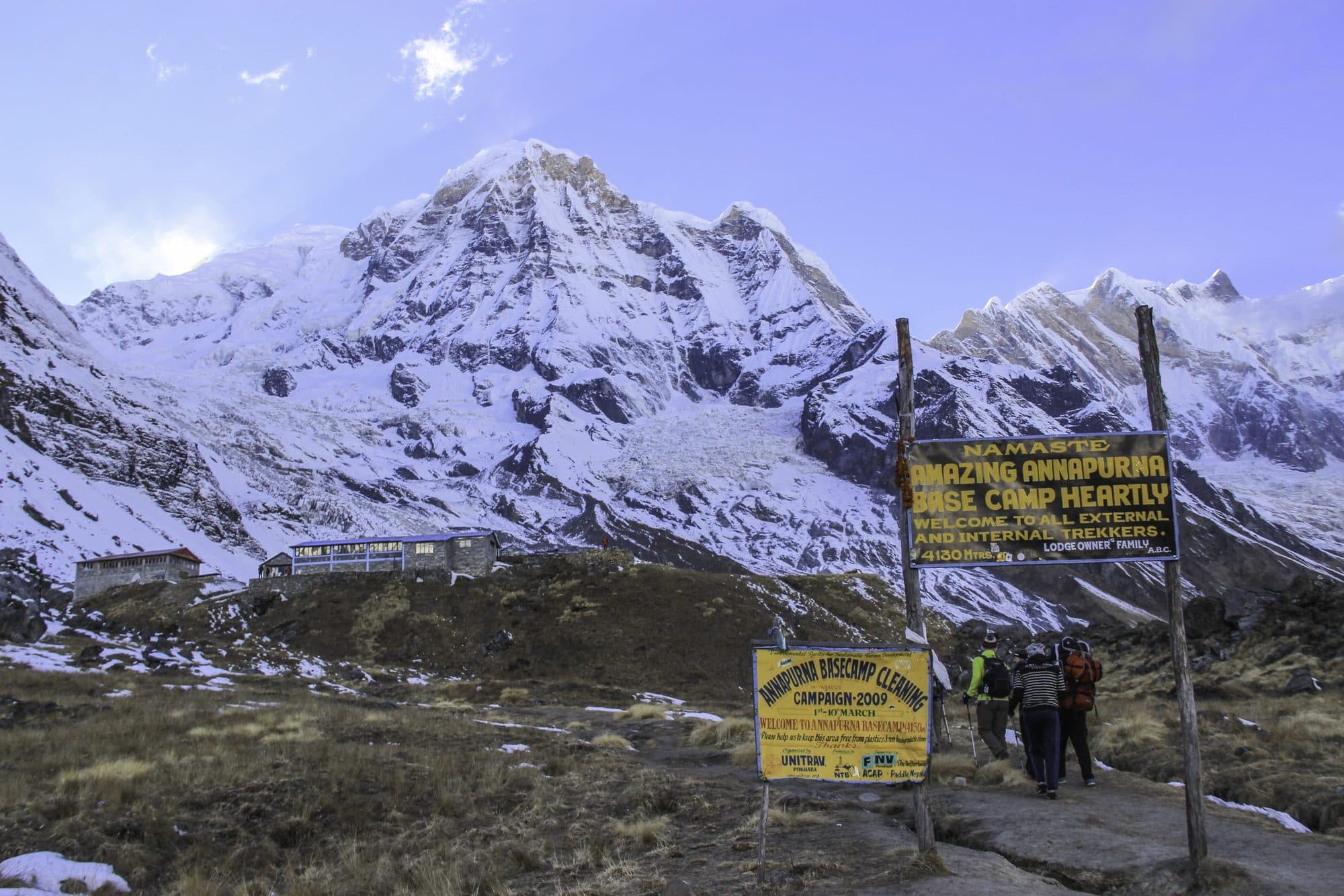
Ask any Himalayan guide when to trek in Nepal and most will say the same thing: autumn. Once the monsoon clears, usually by late September, the air is washed clean, skies tend to stay stable for long stretches, and daytime temperatures on the popular teahouse routes are comfortable for walking. This is also Nepal's festival season — Dashain and Tihar, the country's two biggest Hindu celebrations, usually fall within this window so trekkers often share the trail with families travelling home for the holidays. The trade-off is popularity: the classic routes to Everest Base Camp and around the Annapurna massif are busiest now, and teahouse rooms on peak weekends can fill up fast.
Spring (March–May): Rhododendrons and a Second Peak
Spring is Nepal's other prime window, and for good reason. As the lower and mid-hills warm up, forests of rhododendron — Nepal's national flower — bloom in shades of red, pink and white, turning routes like Ghorepani-Poon Hill and Langtang into a genuine spectacle. Mornings tend to be clearer than afternoons, when haze and cloud can build up, particularly at lower elevation. It is also the season for expedition traffic on Everest itself, so Base Camp and the upper Khumbu trail can feel busier than the numbers on a map suggest. Overall visibility and stability are generally considered a notch behind autumn , but the flowers and milder valley temperatures more than make up for it for many trekkers.
Winter and Monsoon: Niche Windows, Not Off-Limits
Winter (December–February) is colder and quieter — high passes such as Thorong La or Cho La can become difficult or impassable after heavy snowfall, and some high-altitude lodges close for the season. But lower routes, like Ghorepani-Poon Hill, Mardi Himal, or the lower stretches of the Everest region, stay open and offer crisp, clear mountain views with far fewer trekkers on the trail. Monsoon (June–August) brings heavy rain, leeches and cloud to most of the country, which is why it is the least popular season for classic teahouse routes — but the trans-Himalayan valleys in the rain shadow of the high peaks, such as Upper Mustang and Dolpo, stay largely dry throughout, making this their best season rather than their worst.
There is no single “best” month — only the best month for the trek, region and experience you want. Our team plans against the specific route, altitude profile and your own schedule, so if you are weighing up windows, talk to us before you book.
Shoulder Seasons: A Useful Insider Option
The first weeks of September and the first weeks of December sit right at the edges of the two main seasons, after the worst of the monsoon has cleared or before winter cold fully sets in. Trails are noticeably quieter, teahouse rooms are easier to come by, and weather is often still reasonably settled — though it is inherently less predictable than the heart of autumn or spring, so build a little extra flexibility into your itinerary if you travel then. It is worth remembering, too, that Nepal's regions do not all share one climate: the high, dry valleys of Mustang and Dolpo behave very differently from the wetter, greener Everest and Annapurna approaches, so the “right” month genuinely depends on where you are headed, not just the calendar.