Altitude Sickness on the EBC Trek: A Practical Guide
By Lekali Medical Desk (demo)··1 min read
What is Acute Mountain Sickness (AMS)?
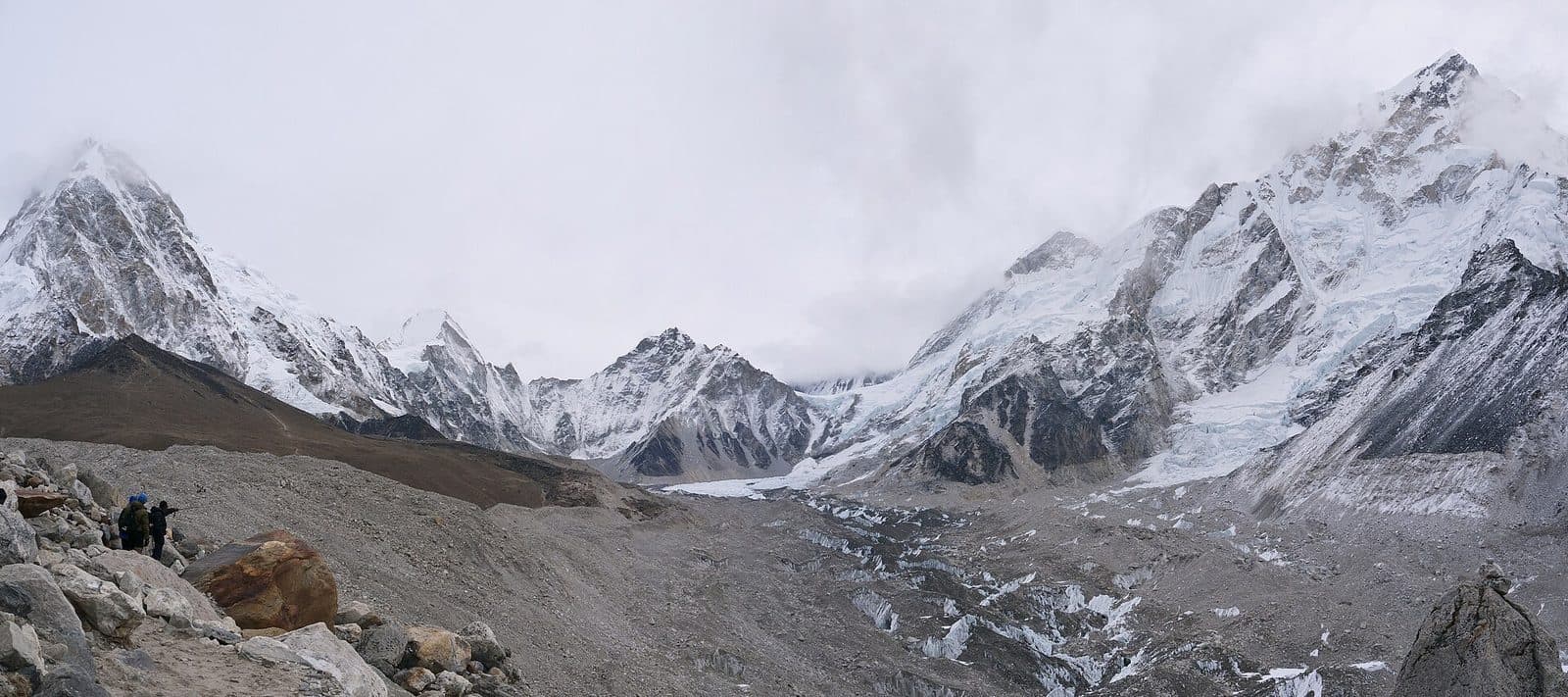
AMS occurs when the body fails to adapt quickly enough to reduced atmospheric oxygen at altitude. Above 2,500 m the partial pressure of oxygen drops significantly; above 3,500 m — where most EBC trekking occurs — symptoms become common.
Symptoms to Watch
Headache (the cardinal symptom)
Fatigue and weakness
Loss of appetite / nausea
Dizziness and difficulty sleeping
The Golden Rule: Descend if in Doubt
No view, no summit and no schedule is worth your life. If symptoms worsen after 24 hours at the same altitude, or if severe symptoms develop (ataxia, altered consciousness, severe breathlessness at rest), immediate descent of at least 500 m is mandatory. Evacuation by helicopter is arranged by your Lekali Journeys guide.
“Altitude does not care how fit you are, how experienced you are, or how badly you want to reach Base Camp. Acclimatise properly or pay the consequences.”
Prevention: Acclimatise Correctly
Our EBC itinerary includes two mandatory acclimatisation days — at Namche Bazaar (3,440 m) and Dingboche (4,410 m) — following the 'climb high, sleep low' principle. Never ascend more than 300-500 m per day above 3,000 m.
Medication: Acetazolamide (Diamox)
Acetazolamide (125-250 mg twice daily, starting 24 hours before ascent) accelerates acclimatisation and reduces AMS incidence significantly. Consult your doctor before the trek — it is a prescription medication and contraindicated in sulphonamide allergy.
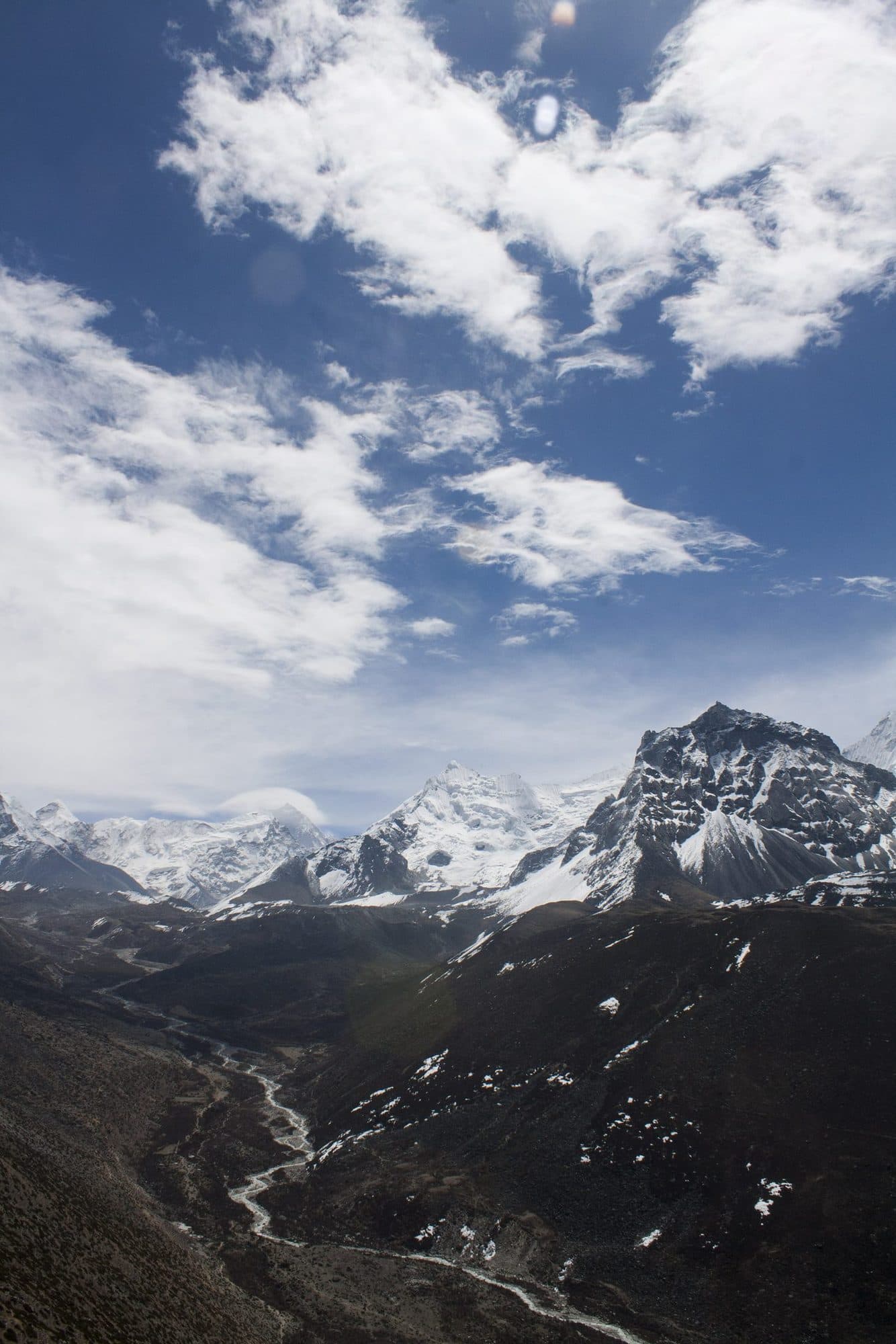
Above 3,000 metres, thinner air changes everything. How Acute Mountain Sickness develops, the acclimatization habits that reduce your risk, and the golden rule that matters most.
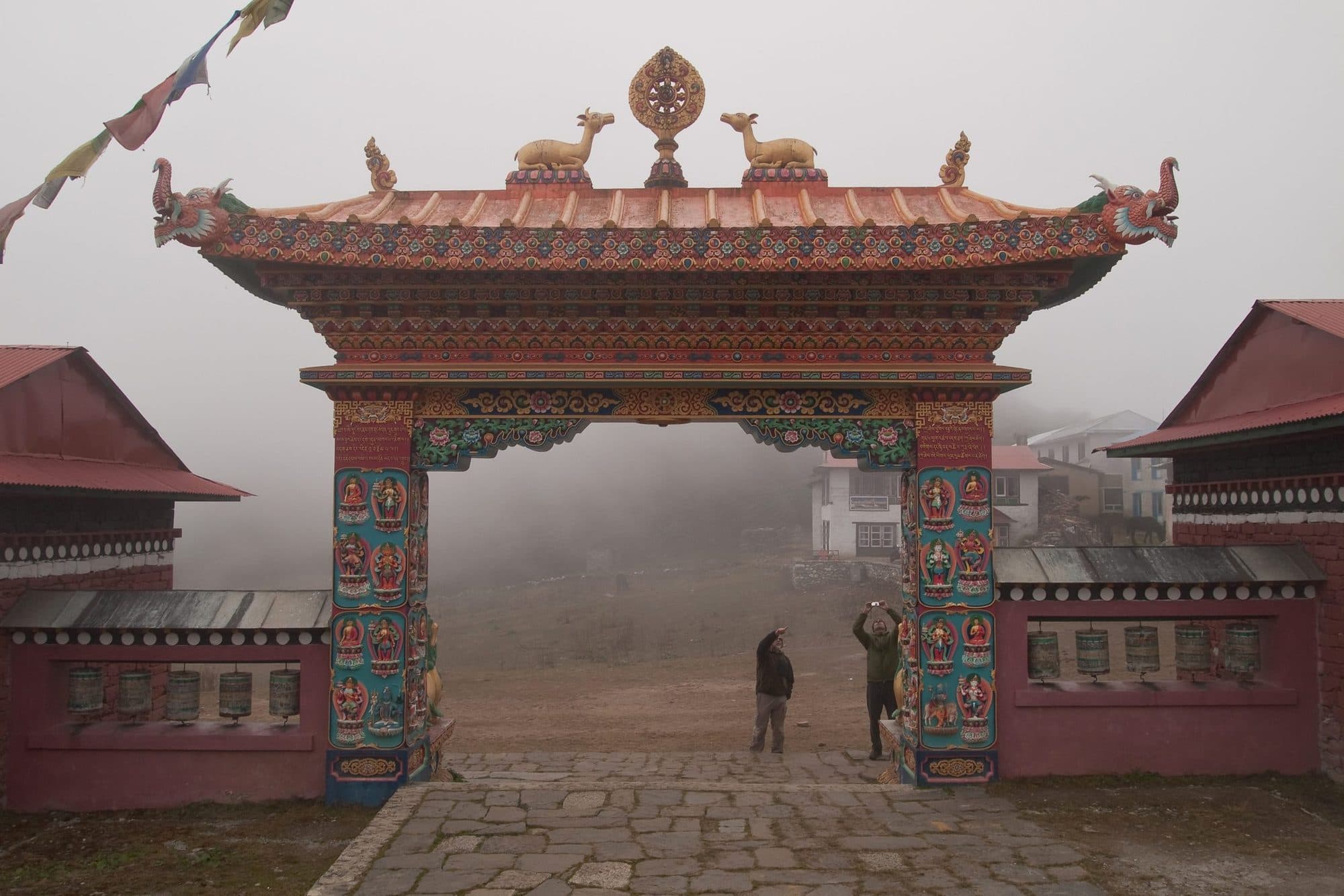
Time your trek right and you might walk into a centuries-old festival: masked monastery dances, family reunions, or a chariot procession through Kathmandu. What to know.
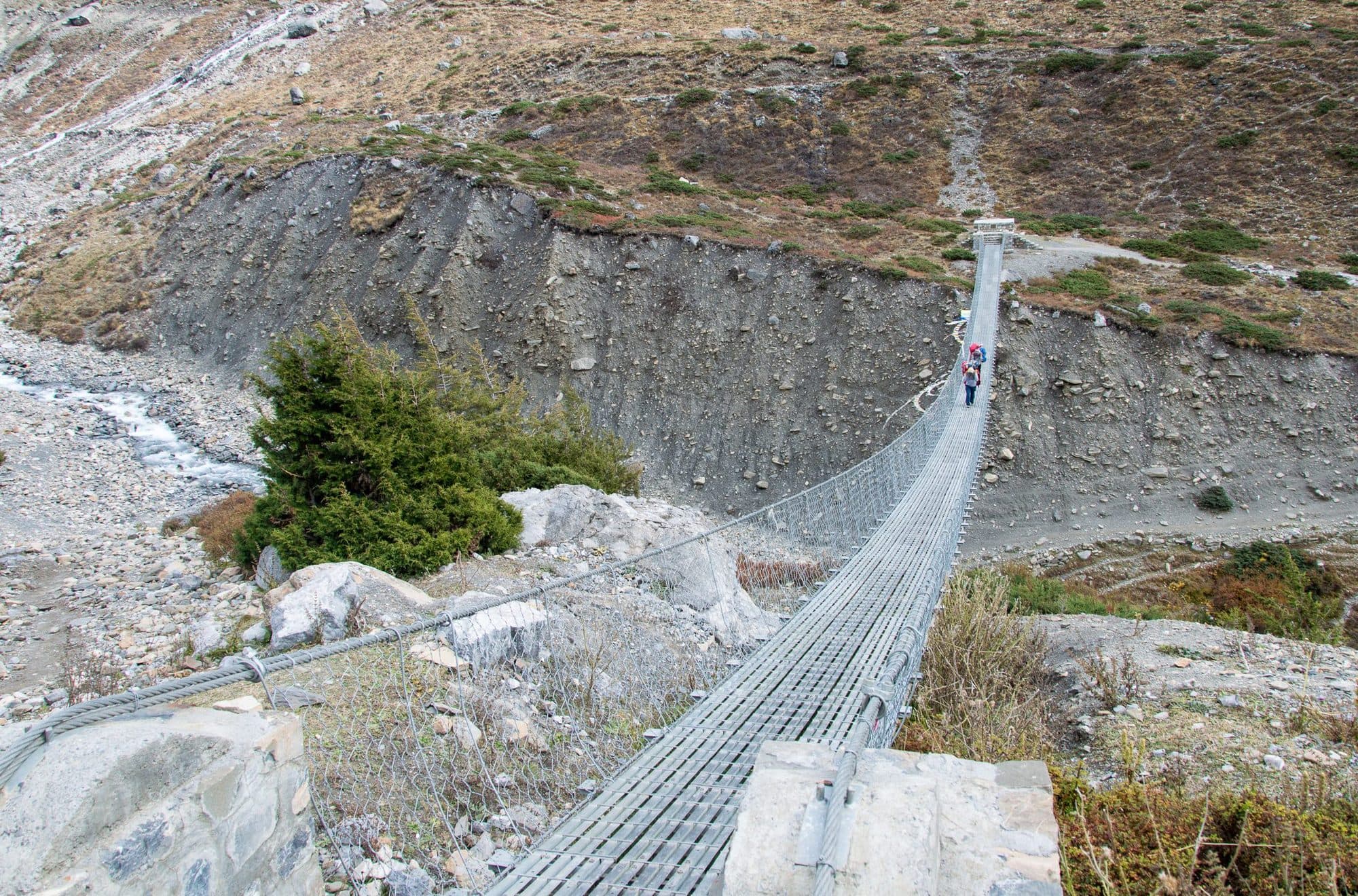
Trekking through fragile landscapes and communities carries real responsibility. How to trek well, for the mountains, the porters and the villages you pass through.