Pack It In, Pack It Out: The Himalaya's Waste Problem
Every popular Himalayan route has the same structural problem: there is no waste infrastructure once you are days from a road. Batteries, plastic wrappers and, especially, plastic water bottles have to be carried out the same way they were carried in, and on the busiest routes decades of trekking traffic have left a visible mark. The single biggest change any trekker can make is bringing a refillable bottle and a filter, purification tablets or a UV steriliser instead of buying bottled water at every teahouse — it is a small habit that removes a meaningful amount of plastic from the trail over the course of a trek. The same logic applies to batteries, wet wipes and any packaging you bring with you: if it will not decompose, plan to carry it back down rather than assume it can be disposed of locally, since even villages along the busiest routes have very limited capacity to manage non-organic waste.
Porter Welfare Is Not Optional
Porters carry the loads that make teahouse trekking possible, often at real personal risk from cold-weather exposure and altitude if they are not properly equipped. The International Porter Protection Group (IPPG) was founded specifically to address this — advocating for appropriate clothing, footwear, shelter, medical care and insurance for porters, and for load limits appropriate to the altitude and terrain they are working in . A responsible operator provides its crew with proper gear and insurance as standard, not as an optional extra — it is worth asking your operator directly how they support their porters before you book.
Cultural Respect on the Trail
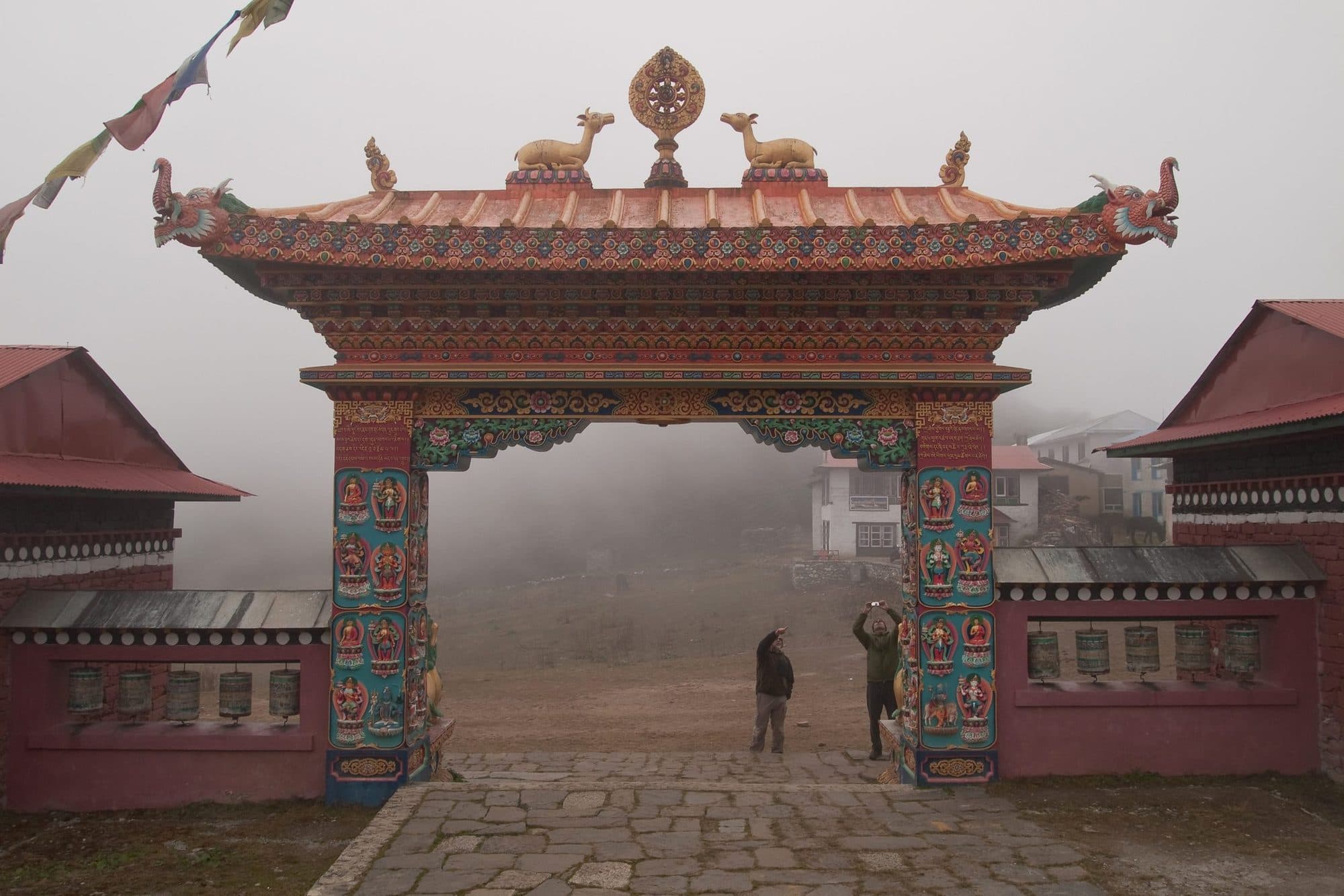
You are a guest in communities with their own long-standing traditions, not a backdrop for your trip. Small things matter: walk clockwise around mani walls, chortens and stupas, as is Buddhist custom in the region; ask before photographing people, ceremonies or private homes; dress modestly near monasteries; and let your guide lead on cultural etiquette you are unfamiliar with. Supporting locally owned teahouses, guides and porters — rather than treating the trek purely as a physical challenge to tick off — is what keeps trekking tourism a genuine benefit to the communities whose home you are walking through.
Choosing an Operator That Takes This Seriously
Responsible trekking is largely shaped by the operator you book with, long before you set foot on the trail. In the Khumbu, look for operators who cooperate with the Sagarmatha Pollution Control Committee (SPCC), the local body that manages waste collection and trail maintenance across the Everest region — a real, long-standing organisation, though its specific fees and current programmes are worth checking directly rather than assumed . More broadly, a reasonable set of questions to ask any operator before booking includes: how are porters equipped and insured, are guides licensed, and does the itinerary build in genuine acclimatization time rather than rushing to a summit or viewpoint. A trip that treats these as fundamentals rather than marketing points is usually a trip worth taking. It is a fair question to put directly to any operator you are considering, including us — a straightforward, specific answer is usually a good sign in itself.