How the Teahouse System Actually Works
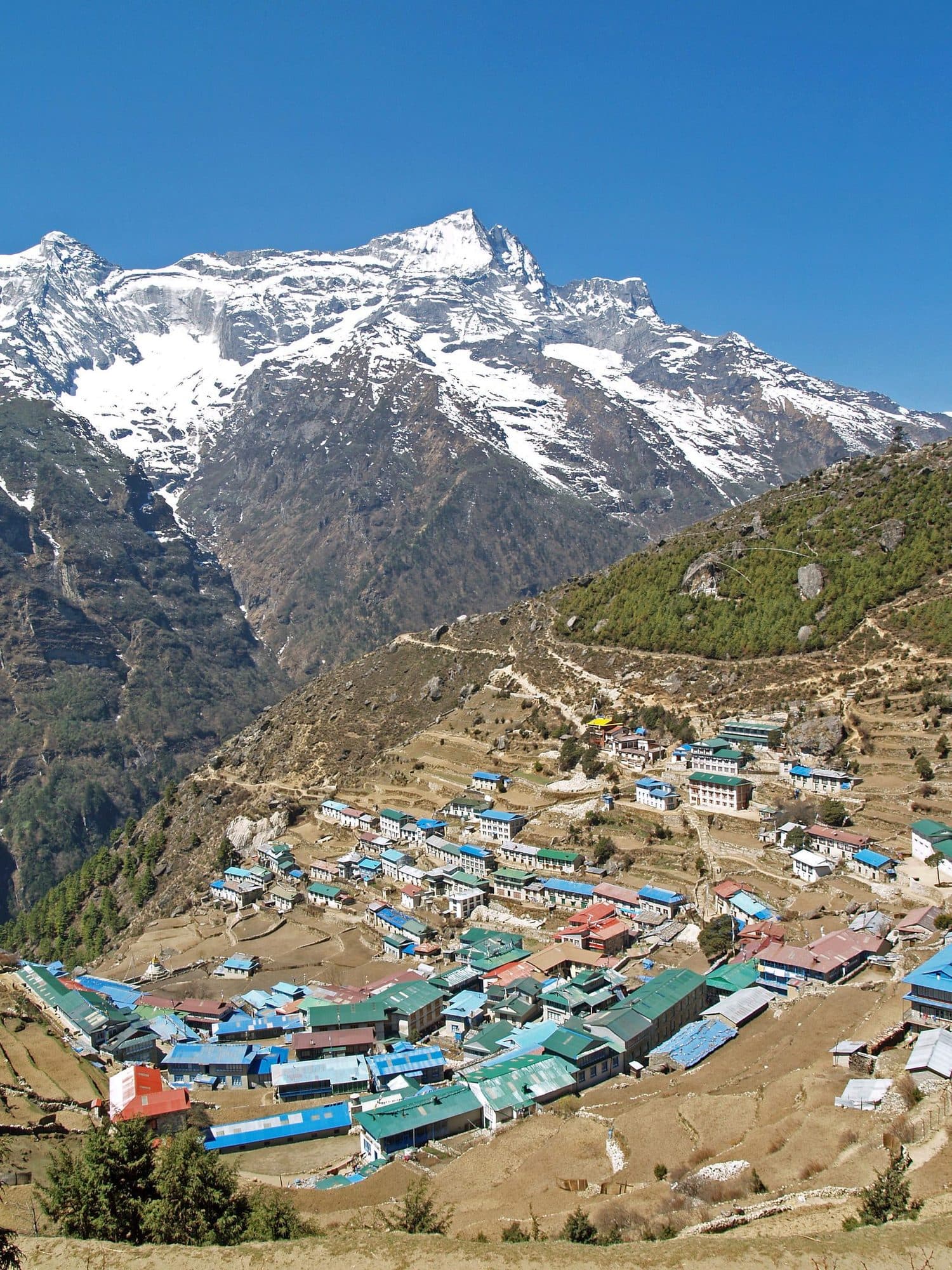
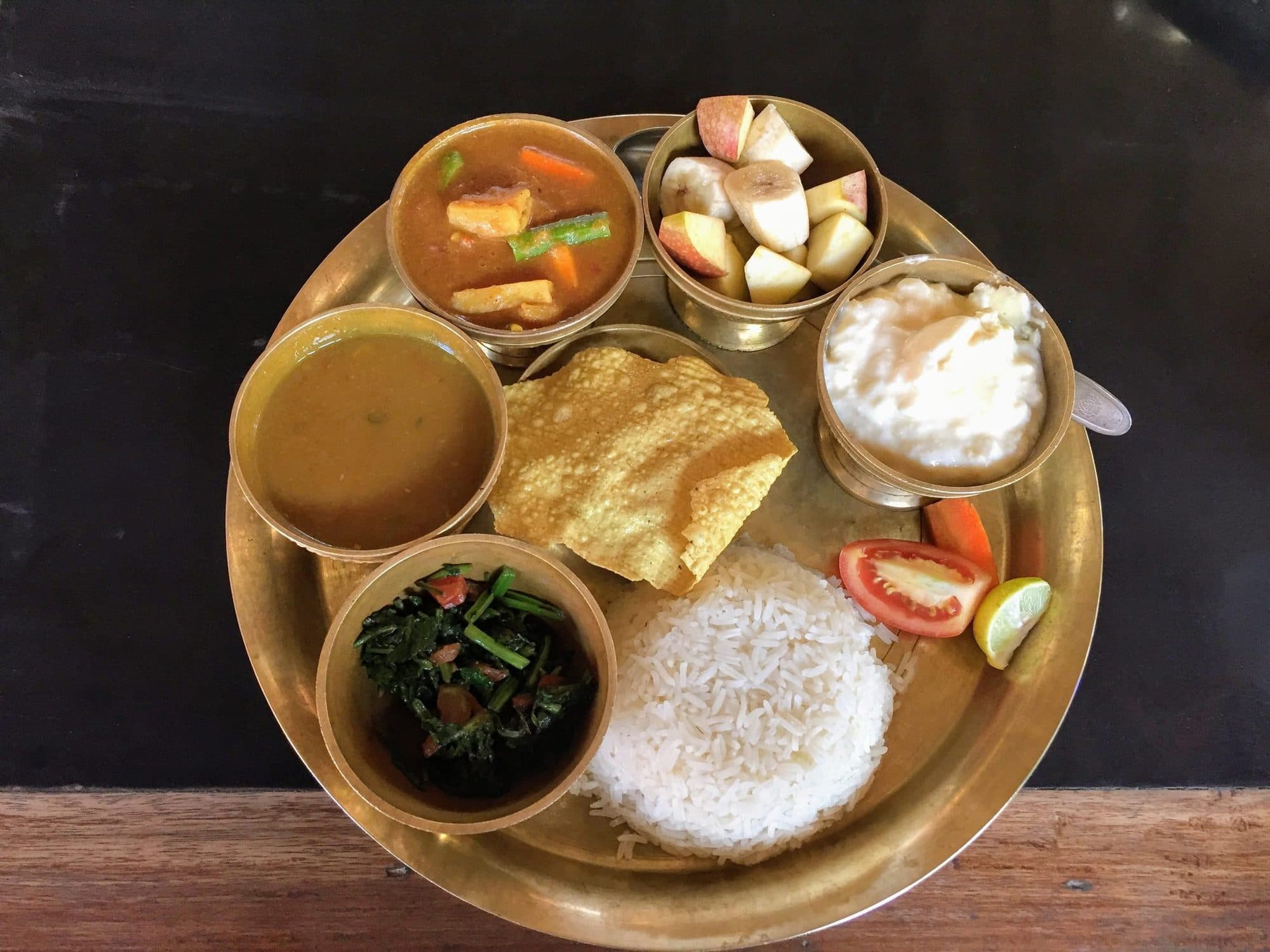
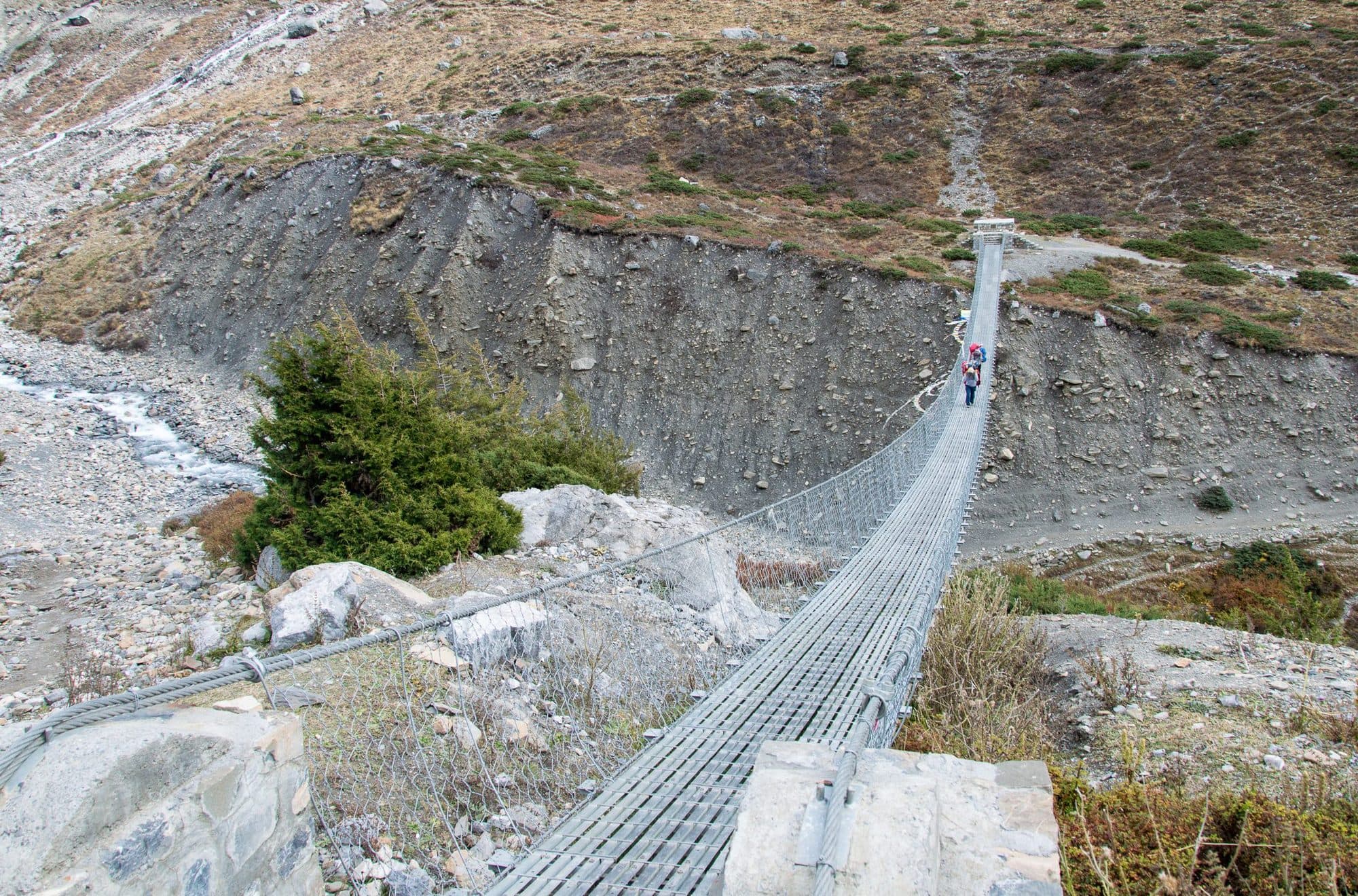
On Nepal's classic routes — Everest, Annapurna, Langtang — you rarely need to carry a tent. Instead, a network of family-run lodges strung along the trail offers a bed, a hot meal and a warm stove most nights. Rooms are simple, usually twin-share with a shared bathroom (attached bathrooms become more common, and pricier, lower down the valley), and room rates are often kept low on the understanding that you will eat your dinner and breakfast at the same lodge — the meals, not the room, are typically how a teahouse makes its living. Menus tend to look similar from lodge to lodge along a given route: dal bhat, noodle and momo dishes, and an increasingly Western-friendly spread of pancakes, porridge and pizza-style items that has evolved specifically to suit international trekkers.
A Day in the Life of a Lodge
The dining hall, usually warmed by a single stove, is where teahouse life happens — trekkers from different groups swap stories, guides compare notes on trail conditions, and everyone gathers once the sun goes down and the temperature drops. Charging a phone or camera, and WiFi where it is available, usually comes at a small extra cost that increases the higher and more remote the lodge is , simply because everything — fuel, solar equipment, supplies — has to be carried or flown in. Hot showers are often available for a fee too, and are worth savouring: they get rarer as you climb.
Etiquette That Goes a Long Way
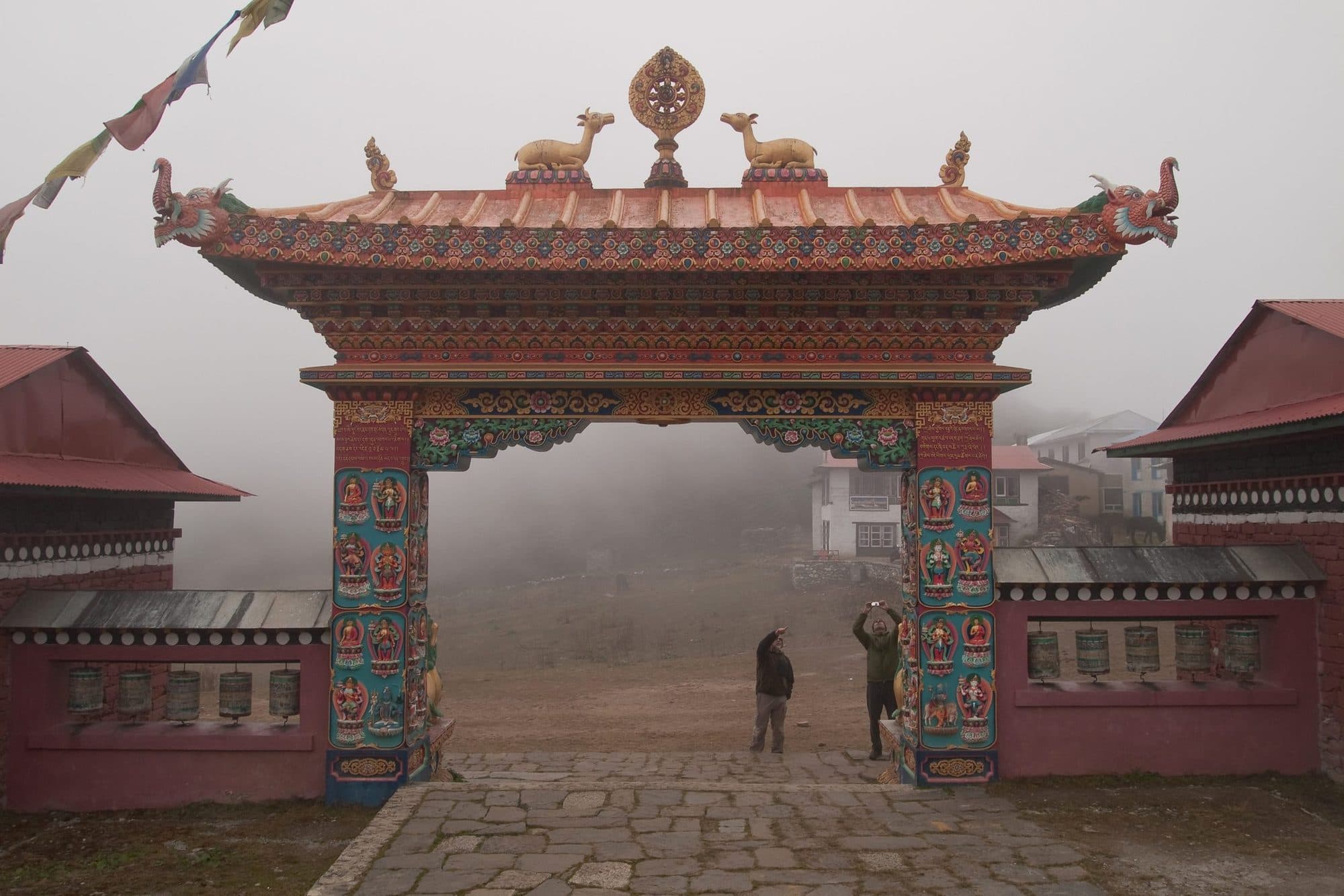
A few habits make you a welcome guest rather than just another paying trekker. Take your boots off at the door if that is the local custom (look for a line of boots already there). Keep noise down once people are trying to sleep — walls are thin. Use hot water and electricity sparingly; both are scarce and expensive resources at altitude, not unlimited utilities. A warm “Namaste” goes further than you would think. And it is increasingly customary to thank your guide and porters with a tip at the end of the trek, usually pooled and given as a group rather than individually — ask your operator for current guidance on this, since the right amount depends on group size, trip length and local norms . None of this is complicated, but it is the difference between passing through a community and actually being welcomed into one.
Why the Teahouse Model Matters
Beyond convenience, the teahouse system is one of the more direct ways trekking tourism benefits the communities you pass through: the lodge owner, the family cooking your dal bhat and the local porters and guides working your route are, in most cases, from the villages the trail runs through. Choosing routes and operators that keep this locally owned model intact, rather than defaulting to the newest or most heavily marketed lodge, is a simple way to make sure your spending actually stays in the Khumbu, the Annapurna foothills or the Langtang valley rather than flowing back out to Kathmandu. It is also, quite often, how you end up with the better evening — a smaller family lodge with a warm stove and genuine hospitality tends to be remembered long after the trek itself is over.