What Is TIMS, and Do I Still Need One?
The Trekkers' Information Management System (TIMS) card was introduced by the Nepal Tourism Board and the Trekking Agencies' Association of Nepal in the late 2000s, primarily as a safety measure: it creates a record of who is on the trail, which route they are following, and how to reach their emergency contacts if something goes wrong. For most of the popular routes it now sits alongside — or in some cases has been folded into — park and conservation area entry permits, and requirements have shifted more than once in recent years . The practical takeaway for anyone booking with a licensed agency: your operator handles this paperwork as part of your trip, so it is one less thing to research from scratch.
National Park and Conservation Area Fees
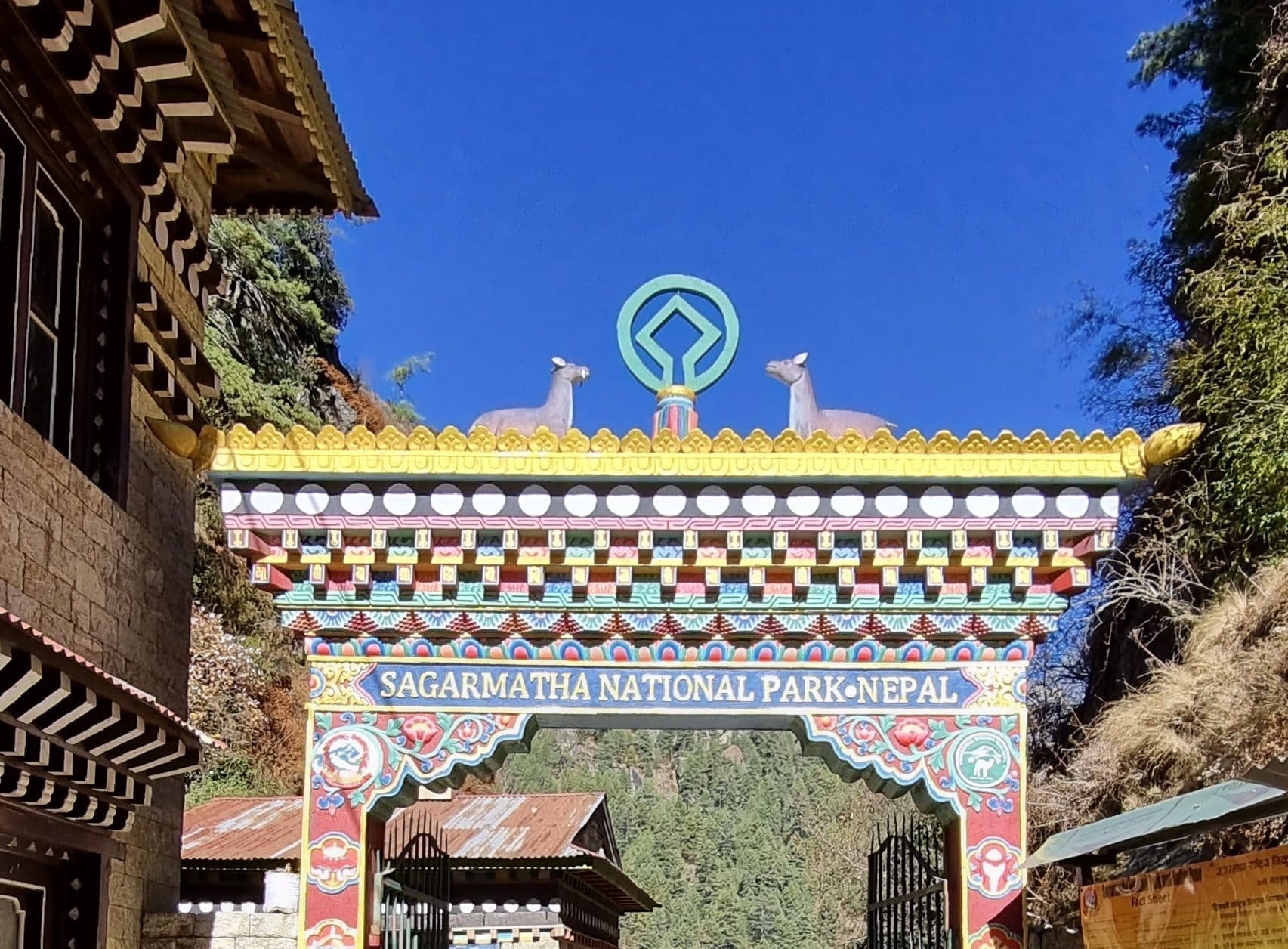
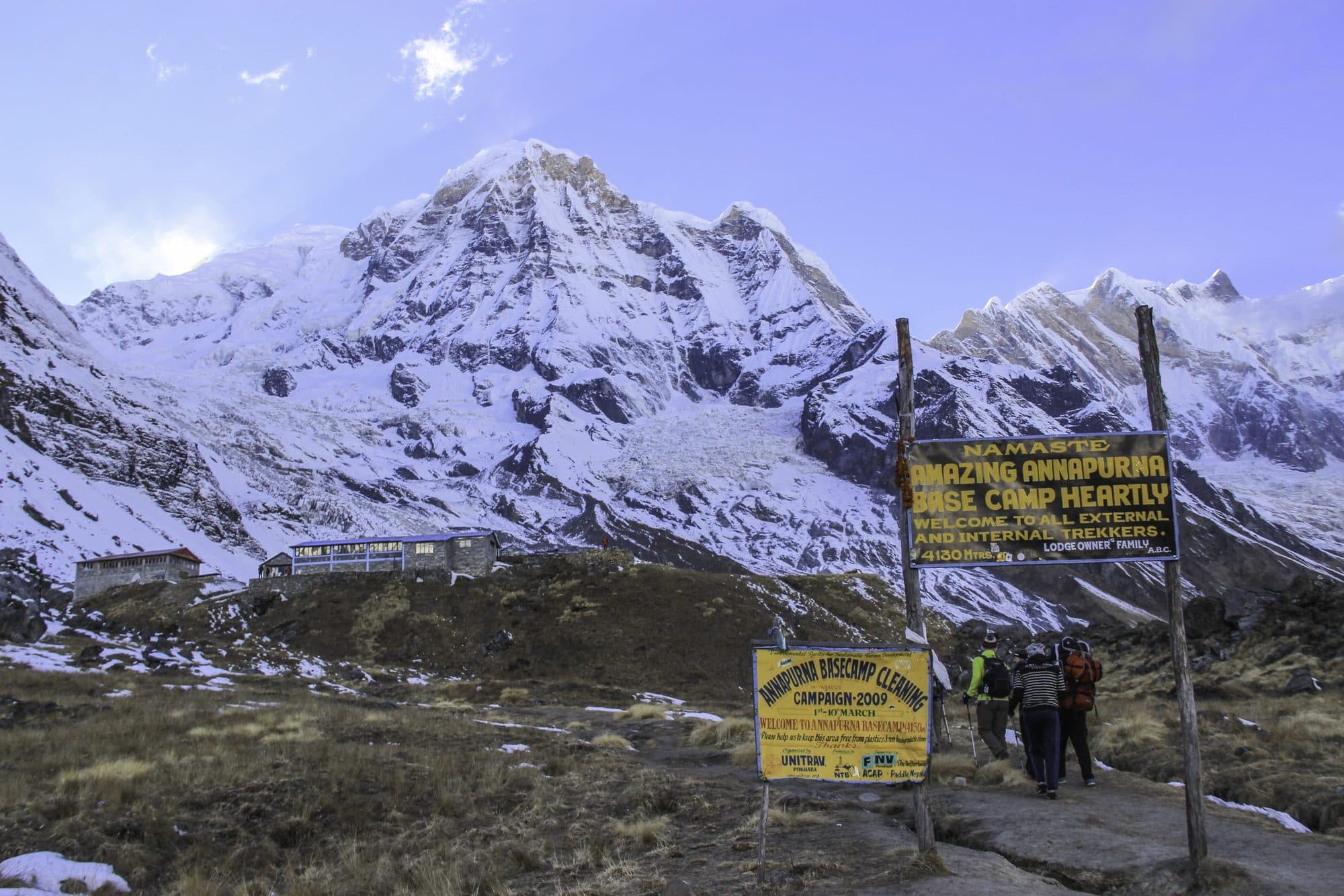
Most classic teahouse routes pass through a protected area — Sagarmatha National Park for Everest, the Annapurna Conservation Area for Annapurna, Langtang National Park for Langtang — each with its own entry permit and fee, generally collected once at the park checkpoint. These fees fund conservation, ranger staff and trail infrastructure, and they vary by nationality (Nepali, SAARC and other-country rates typically differ) and are periodically revised . Trips into restricted areas — Upper Mustang, Upper Dolpo, Manaslu and a handful of others — require a separate, higher-cost special permit that, by regulation, can only be arranged through a registered trekking agency.
The Guide Requirement: What's Changed
The biggest recent shift for independent trekkers is the move toward requiring a licensed guide in Nepal's national parks and conservation areas, ending the era when solo “TIMS-only” trekking was straightforward on routes like Everest Base Camp and the Annapurna Circuit . In practice, this affects mostly fully independent trekkers rather than travellers who book a guided trip — which is how the vast majority of Everest and Annapurna trekkers already travel. If you are planning to trek with Lekali Journeys, our licensed guides and permit paperwork are built into every itinerary, so this shift changes very little for you beyond the reassurance of knowing the rules are being followed correctly.
Permit rules are one of the more frequently updated parts of Nepali trekking regulation, so treat any number or date you read online — including here — as a starting point for a conversation with your operator, not a final answer.
What Lekali Journeys Handles for You
Rather than trying to piece together which permit applies to which stretch of trail, guided trekkers can leave the paperwork to their operator. As part of every itinerary, our team typically arranges:
- Trail registration and safety documentation (the TIMS-equivalent record used by rescue services).
- National park or conservation area entry permits for the specific region you are trekking in.
- Restricted-area permits, where your route requires one, arranged through our registered agency licence.
- A licensed guide, satisfying the current guide requirement without you needing to track the rule yourself.
The one thing worth doing yourself: keep a couple of passport-style photos and photocopies of your passport and visa handy while trekking, since permit checkpoints along the trail commonly ask for them.