The Classic Route: Lukla to Base Camp
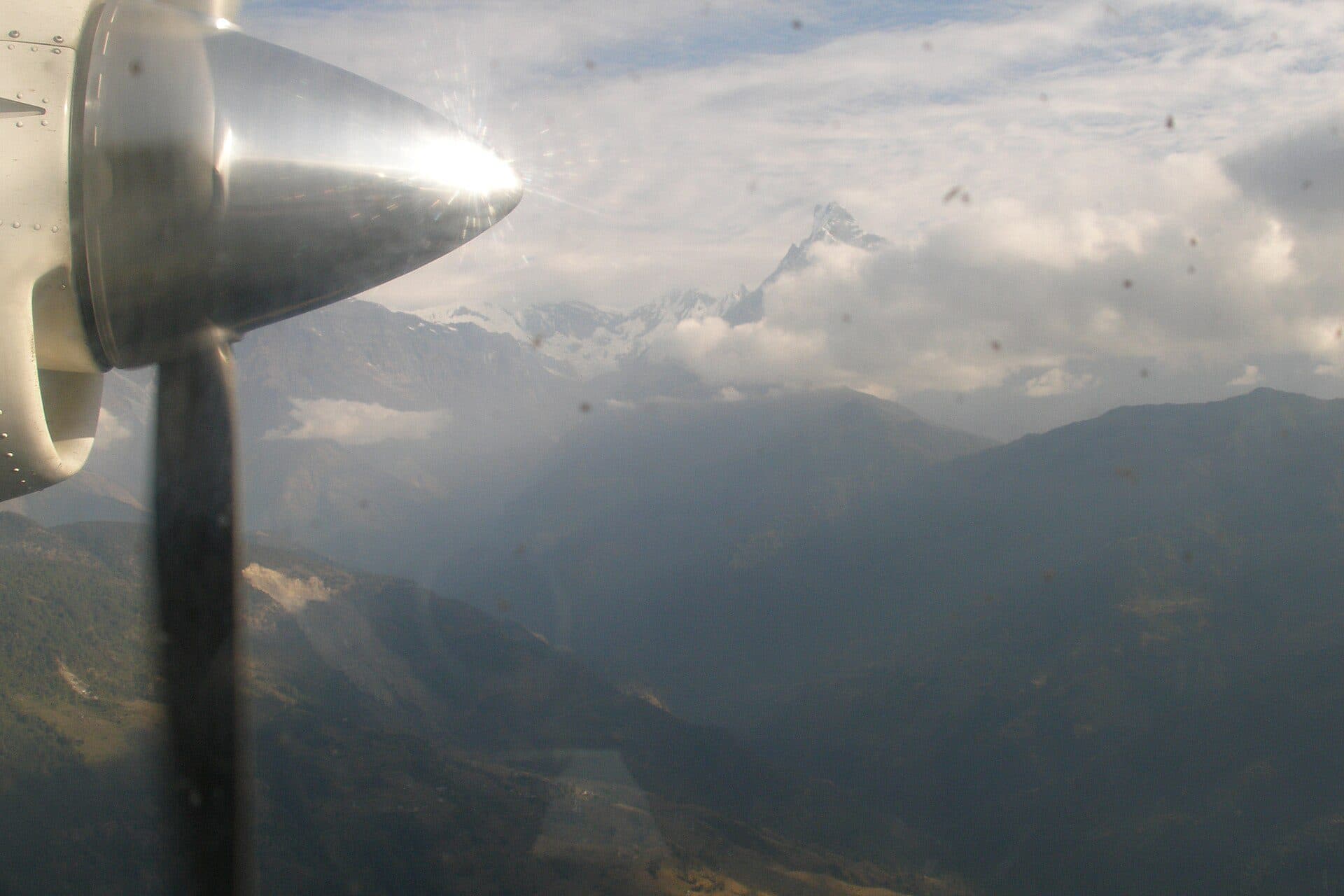
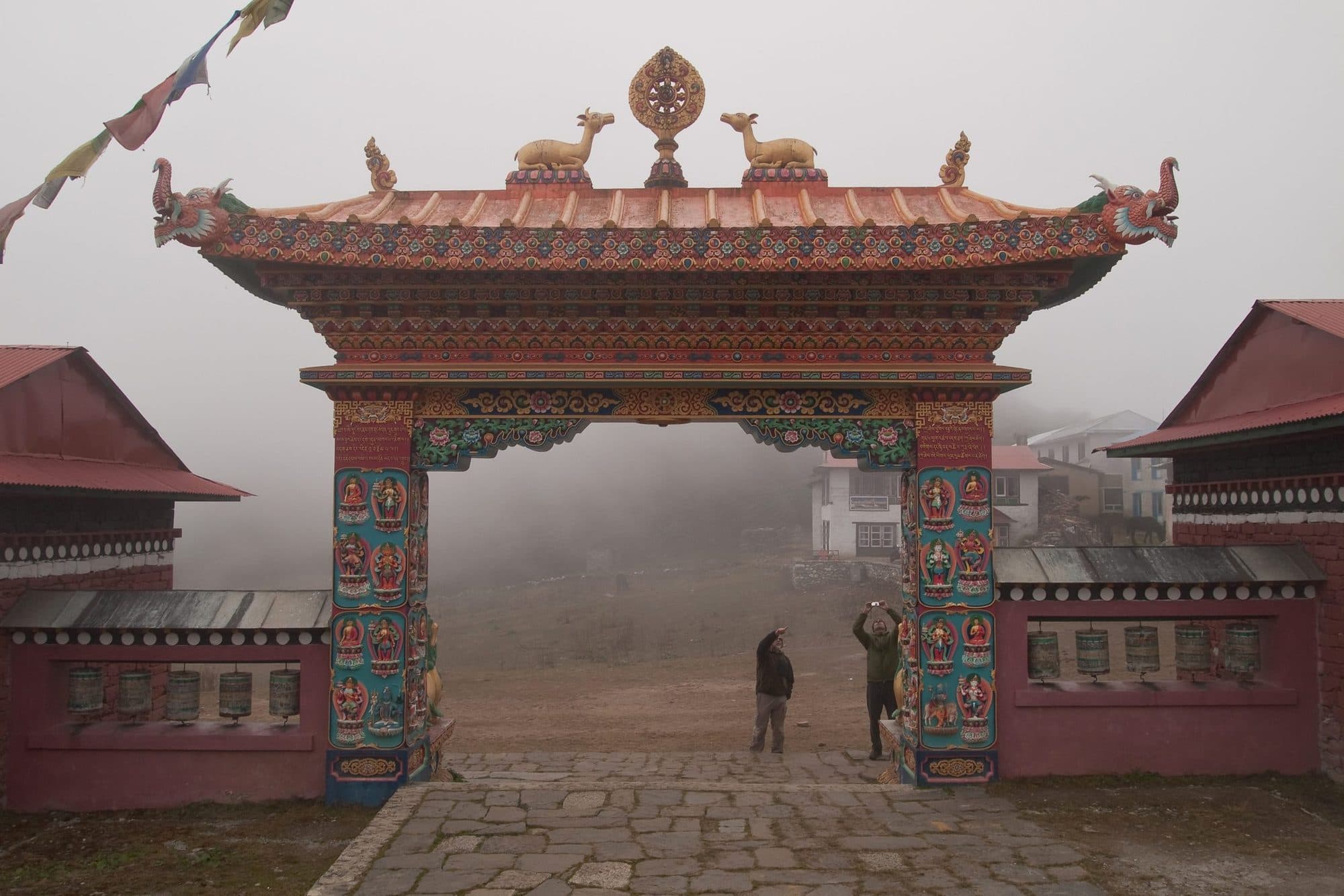
Almost every Everest Base Camp trek begins the same way: a short, dramatic flight from Kathmandu to Lukla's Tenzing-Hillary Airport (2,860 m), followed by a gradual climb up the Dudh Kosi valley through Phakding and into Namche Bazaar (3,440 m), the unofficial capital of the Khumbu and the Sherpa homeland. From Namche, the trail climbs on through Tengboche — home to the region's most important monastery — and into the high, dry valley around Dingboche (4,410 m) before pushing on through Lobuche (4,940 m) to Gorak Shep (5,140 m), the last settlement before Base Camp itself (5,364 m). The whole route sits inside Sagarmatha National Park, a protected area established in 1976 and inscribed as a UNESCO World Heritage Site in 1979, and it is as much a walk through Sherpa culture — monasteries, mani walls, prayer flags — as it is a mountain trek.
Kala Patthar: The View Base Camp Itself Doesn't Give You
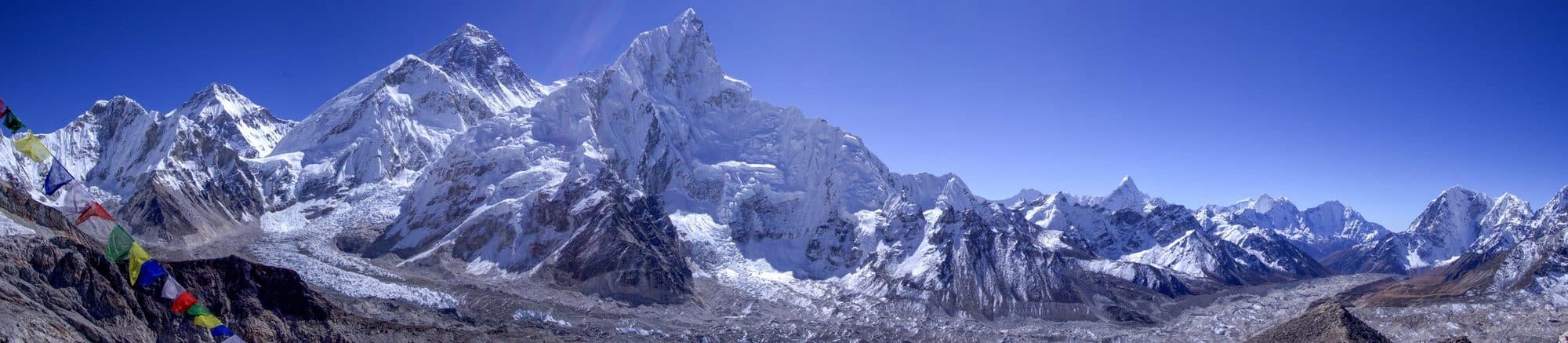
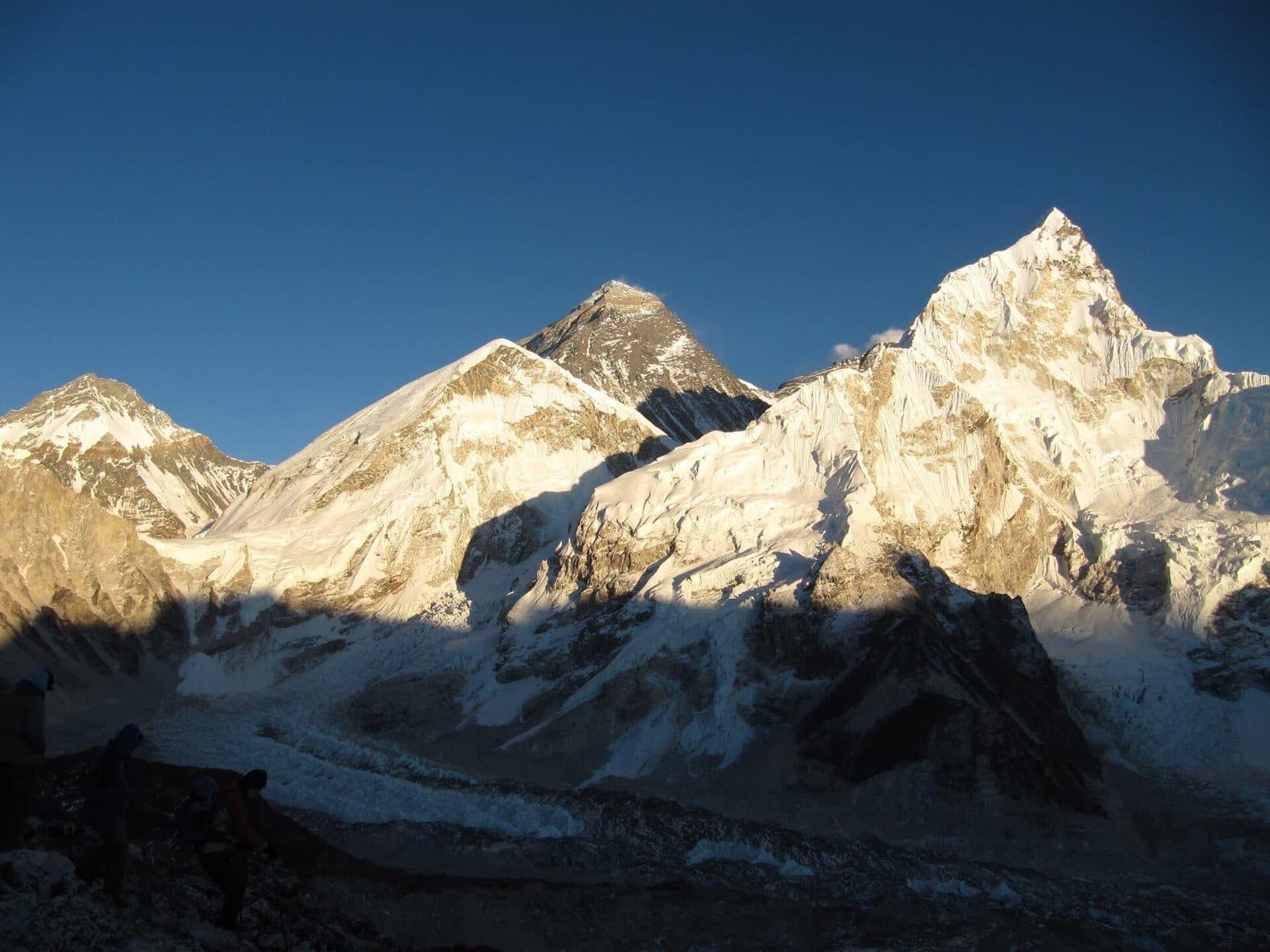
Here is the detail that surprises a lot of first-timers: you do not actually see Everest's summit from Base Camp — Nuptse's ridge blocks the view. The classic Everest panorama, with the summit pyramid rising above the Khumbu Icefall, comes from Kala Patthar, a rocky viewpoint above Gorak Shep that most itineraries climb for sunrise. Its exact altitude is one of the small, genuine disputes in Himalayan trekking literature — it is commonly listed at around 5,545 metres, though some Nepali survey sources put it higher, closer to 5,644 metres . Either way, it is the highest most trekkers will stand on the whole trip — a notch higher than Base Camp itself.
How Long Does It Take, and How Hard Is It?
Most operators run the trek over roughly 12 to 14 days from Kathmandu and back, though the exact length depends on how many acclimatization days are built in, whether you fly or drive to Lukla's approach, and your operator's specific itinerary . It is a non-technical trek — no ropes, no climbing skills required — but it is a serious undertaking on fitness and altitude grounds: you are walking for several hours most days, gaining significant elevation over two weeks, and the two built-in acclimatization days at Namche and Dingboche are there for a real physiological reason, not as padding. Good general fitness, sensible pacing and a guide who takes acclimatization seriously matter far more than any technical mountaineering background.
Beyond the Classic Route: Gokyo and the Three Passes
The Lukla-to-Base-Camp route is only the most travelled option in the Khumbu, not the only one. The Gokyo Lakes route branches off toward a chain of turquoise glacial lakes and Gokyo Ri, a viewpoint rivalling Kala Patthar for its Everest panorama, and can be combined with a crossing of the Cho La pass to rejoin the Base Camp trail for those wanting a longer, more varied itinerary. The full Three Passes trek — linking Kongma La, Cho La and Renjo La — is the serious extension of the classic route: still non-technical, but longer, higher and considerably more demanding, and best suited to trekkers who already have some high-altitude experience or extra time to acclimatise properly. If the standard Base Camp itinerary leaves you wanting more, these are the natural next steps in the same region rather than an entirely different trip.